
Recent Post

Elastic Tension Rehab Protocols: Shoulder Recovery Guide

Fast-Absorbing Whey Isolate Digestion: A detailed guide to understanding protein digestion

Ergonomic Neoprene Strength Trio: 2026 Selection Guide

Versatile Resistance Band Training: How-To Guide

Certified Gluten Free Whey Isolate: 2026 Buying Guide

Ultra-Portable Grip Technology: 2026 Travel Yoga Mats
Leave a comment
Fast-Absorbing Whey Isolate Digestion: A detailed guide to understanding protein digestion
Ever mixed a scoop of whey isolate into your shaker and felt that familiar, uncomfortable rumble in your gut? You’re not alone. Many fitness enthusiasts wonder, is whey isolate easier to digest than regular whey concentrate, especially when they’re juggling intense training, travel, and a busy schedule.
Here’s what we’ve seen in the field: whey isolate undergoes an extra filtration step that strips out most of the lactose and fat, leaving a protein powder that’s about 90‑95% pure protein. For someone who’s lactose‑intolerant or just sensitive to dairy, that reduction can mean a calmer stomach and smoother recovery after a heavy leg day.
Take Jenna, a personal trainer who spends her mornings sprinting between client sessions. She switched from a standard whey blend to an isolate, and within a week she reported fewer bloating episodes. Another example is Mark, a rehabilitation specialist who recommends isolate to his post‑surgery patients because the lower lactose content minimizes irritation while still delivering the essential amino acids they need.
What does the science say? Studies show that isolates typically contain less than 0.5% lactose, compared to 5‑6% in concentrates. That’s a ten‑fold drop, which can be the difference between a comfortable shake and a post‑workout upset. If you’re tracking macro intake, the higher protein‑to‑carb ratio also means you get more muscle‑building fuel per scoop without extra sugars.
So, how can you put this knowledge into practice? Start by:
- Choosing a whey isolate product with clear lab‑tested lactose levels (most reputable brands list this on the label).
- Mixing your powder with at least 250 ml of water or a lactose‑free milk alternative to aid absorption.
- Testing your tolerance: use a half‑scoop on a rest day and note any digestive feedback before upping the dose.
If you’re curious to explore the best isolates on the market, check out our curated selection of high‑quality options here: whey isolate collection. It’s packed with grass‑fed, hydrolyzed, and low‑lactose formulas that many of our Canadian customers swear by.
Bottom line: for most active individuals, especially those with a sensitive gut, whey isolate does tend to be easier on digestion. It lets you reap the muscle‑building benefits without the unwanted side effects, keeping you focused on crushing your next workout.
TL;DR
Bottom line: whey isolate’s low lactose and protein purity make it easier to digest than regular concentrate, especially for anyone with a sensitive gut or busy training schedule.
Try a small scoop, mix with water or lactose‑free milk, and note how your stomach feels before increasing the dose again today.
Understanding Whey Protein Types
When you first walk into the supplement aisle, the sheer number of whey options can feel overwhelming. Is it really just whey, or are there subtle differences that matter for digestion?
At the most basic level, whey comes in three commercial families: concentrate, isolate, and hydrolysate. Each one is the result of a different processing step, and that step determines how much lactose, fat, and non‑protein material remains.
Whey Concentrate – The All‑Rounder
Concentrate is usually 70‑80% protein, with the rest made up of carbs (mainly lactose) and a bit of fat. For most people it’s a solid value, but if your gut is sensitive to dairy, that leftover lactose can be the culprit behind bloating.
Whey Isolate – The Low‑Lactose Specialist
Isolate goes through an extra membrane filtration that strips out most of the lactose and fat, pushing protein purity up to 90‑95%. In our experience at FitCore Supply, athletes who report frequent stomach rumble often switch to isolate and notice a calmer post‑workout feeling within a few days.
For a taste of how isolate can be blended into flavored drinks, check out Chilled Iguana Coffee Co.’s whey‑infused cold brew. They showcase the smooth texture you get when the lactose is virtually gone.
Because the lactose content drops below 0.5%, isolate is practically lactose‑free for most adults. That doesn’t mean it’s magic for everyone—some people react to the whey proteins themselves—but it does remove one major irritant.
Hydrolyzed Whey – Pre‑Digested for Speed
Hydrolysate takes isolate a step further by breaking the protein chains into smaller peptides. The idea is to make absorption almost instantaneous, which can be handy right after an intense leg day. The trade‑off is cost; hydrolysates are usually the priciest option on the market.
If you’re looking for natural ways to support digestion alongside whey, 5 Best Natural Remedies offers a roundup of gut‑friendly foods and enzymes that pair well with any protein powder.
So, how do you choose? Ask yourself three quick questions: 1) Do you notice any lactose‑related discomfort? 2) Is speed of absorption a priority for you? 3) Does budget allow for a premium formula? If you answered yes to the first, isolate is likely your safest bet. If you need ultra‑quick recovery and money isn’t a barrier, hydrolysate might be worth the splurge.
Watch the short video below for a visual breakdown of the filtration steps that turn whey concentrate into isolate. Seeing the process in action can demystify why the texture feels smoother and why the stomach stays calmer.
Below is a quick reference chart that sums up the key differences you’ll encounter when comparing whey types.
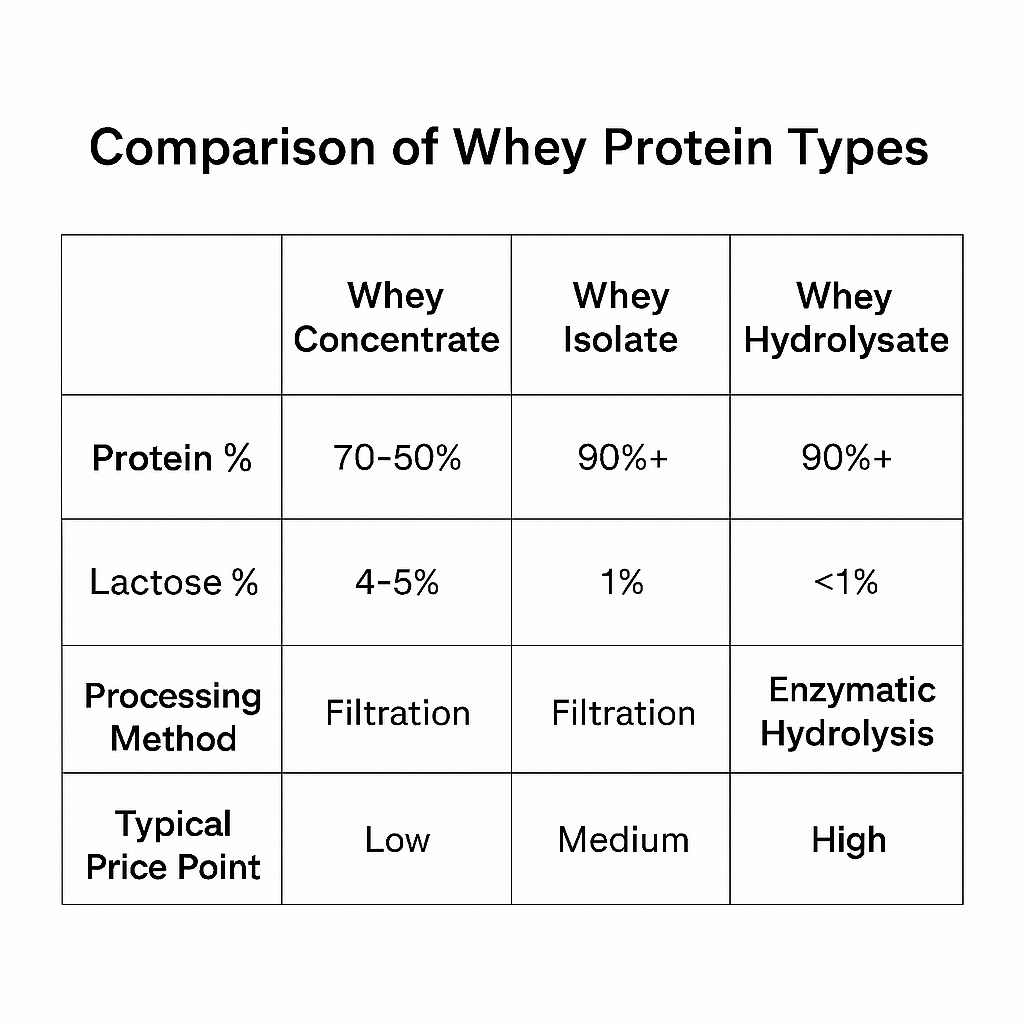
Bottom line: understanding the processing behind each whey type gives you a clear path to pick the one that aligns with your digestive comfort and performance goals. Start with a half‑scoop of isolate on a rest day, track how you feel, and adjust from there. Your gut will thank you, and your muscles will get the fuel they crave.
Digestive Process of Whey Isolate vs Concentrate
When you pour a scoop of whey into your shaker, the journey doesn’t stop at the mix – it’s a mini‑adventure through your gut.
First, your stomach sees the protein as a big, folded chain. Enzymes like pepsin start to unwind it, but any leftover lactose or fat can slow the party.
In a concentrate, about 5‑6 % of that powder is still lactose. For someone who’s a bit sensitive, those sugars ferment, producing gas and that dreaded bloating you’ve felt after a heavy squat session.
Isolate, on the other hand, strips that lactose down to less than 0.5 %. That tiny amount usually slides right through the stomach, leaving pepsin free to focus on the protein itself. The result? Faster peptide breakdown and a calmer gut.
So, does that mean isolate is always the better choice? Not exactly. If you tolerate lactose fine, the extra carbs in concentrate can actually help replenish glycogen after a marathon‑long training day.
What we’ve seen with our FitCore community is that athletes who travel light love isolate for two reasons: it mixes clear with water, and the low‑lactose formula means fewer bathroom breaks between meetings or lifts.
If you’re a personal trainer juggling back‑to‑back client sessions, try this simple test: mix half a scoop of concentrate in 250 ml of water, note any rumble, then repeat with the same amount of isolate. Give your body 30 minutes to respond. You’ll often notice the isolate settles faster and leaves the stomach feeling lighter.
For rehab specialists, the speed of absorption matters when you’re aiming to deliver amino acids quickly after surgery. Isolate’s lean profile cuts down on digestive lag, which can translate to a smoother transition from therapy to strength work.
Bottom line: the digestive process hinges on three things – lactose load, fat content, and how quickly enzymes can get to the protein. When those three line up in your favor, you’ll feel the difference on the next rep.
Here’s a quick side‑by‑side snapshot that sums up what we just talked about:
| Aspect | Whey Concentrate | Whey Isolate |
|---|---|---|
| Lactose | 5‑6 % | <0.5 % |
| Fat | ~4 % | ~0.5 % |
| Digestion speed | Moderate | Faster |
Use the table as a cheat sheet when you’re picking a product for the gym bag or the clinic shelf. If low‑lactose is a must‑have, isolate wins. If you need a budget‑friendly option and tolerate dairy, concentrate still delivers solid muscle fuel.
So, when the question pops up – is whey isolate easier to digest? – the answer is: for most gut‑sensitive athletes and rehab clients, yes, because the reduced lactose and fat let your stomach focus on breaking down protein faster.
Practical tip: always give your shake at least 15‑20 minutes before a workout, especially with concentrate. That extra window lets the little bit of lactose finish fermenting before you start moving, reducing the chance of mid‑session cramping. And if you’re on the go, a single‑serve isolate packet fits right into your pocket.
Factors Affecting Digestibility (Lactose, Fat, Processing)
When you’re sipping a whey shake before a session, three hidden players decide whether your stomach will thank you or protest: lactose, fat, and the level of processing.
Lactose – the sneaky sugar
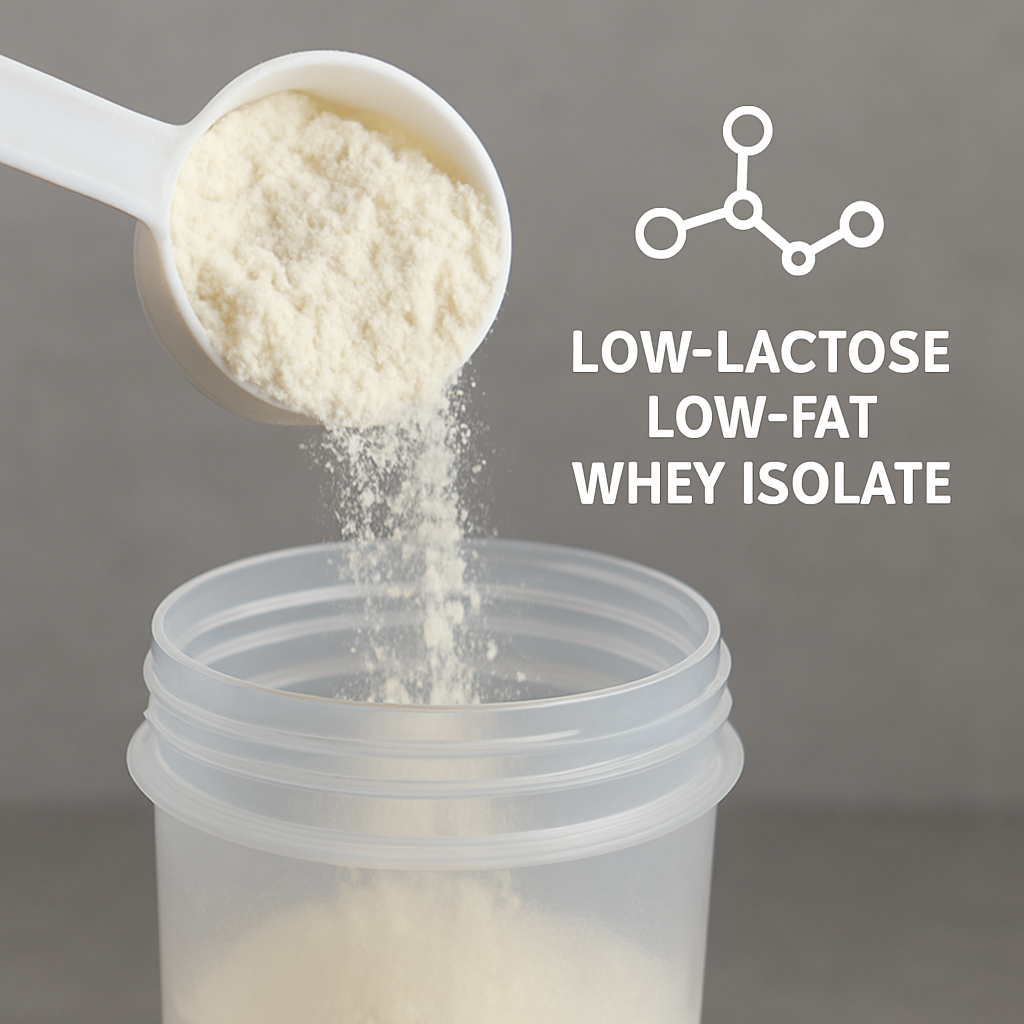
Even a pinch of lactose can turn a calm belly into a bubbling cauldron for anyone with reduced lactase activity. In whey concentrate that sugar sits at roughly 5‑6 %, while isolate trims it down to under 0.5 %.
Think about that moment when you finish a set and feel a subtle rumble – that’s often lactose fermenting in the colon, producing gas and a bit of discomfort. For a trainer who’s juggling back‑to‑back clients, that extra pause can feel like a setback.
One practical trick? Start your day with a half‑scoop of isolate mixed in water and note how you feel after 30 minutes. If the stomach stays flat, you’ve likely sidestepped the lactose trap.
Fat – the slow‑down factor
Fat isn’t the villain it’s sometimes painted to be, but in the context of a pre‑workout shake it can delay gastric emptying. Concentrate typically carries about 4 % fat, whereas isolate hovers around 0.5 %.
When fat lingers, pepsin – the enzyme that starts breaking down protein – has to wait. That means the amino acids arrive a few minutes later, which can feel like a lag when you’re trying to hit that next rep.
For rehab specialists, timing matters. A client who needs rapid amino‑acid delivery after surgery will benefit from the leaner profile of isolate, letting the body focus on repair instead of digesting extra fat.
Processing – how clean is the protein?
Processing is essentially a filtration marathon. The more passes the whey makes through micro‑ or ultrafiltration membranes, the more lactose and fat get stripped away, and the smaller the protein particles become.
Smaller peptides are easier for enzymes to chew on, which translates to faster absorption. That’s why hydrolyzed whey, which is pre‑broken down, feels almost instant, but isolate already enjoys a head start thanks to its tighter filtration.
From a practical standpoint, look for products that clearly label “low‑lactose” and “reduced fat” on the packaging. At FitCore Supply we’ve seen athletes gravitate toward isolates that hit both marks, especially when they’re on the move.
So, how do you balance these factors without over‑engineering your shake?
- Check the label: Lactose ≤ 0.5 % and Fat ≈ 0.5 % usually signal isolate.
- Test tolerance: start with half a scoop, wait 20‑30 minutes, and record any gut feedback.
- Time it right: give isolate at least 10‑15 minutes before a high‑intensity set; concentrate may need a longer buffer.
- Pair with water or a lactose‑free milk alternative to keep the mix light.
By keeping an eye on lactose, fat, and processing depth, you can fine‑tune your protein strategy so that digestion supports performance, not the other way around.
Scientific Studies on Whey Isolate Digestibility
When you start digging into the literature, the first thing you notice is that researchers love to compare isolate to concentrate side‑by‑side. It feels a bit like a lab‑coat showdown, and the results line up with what we’ve been hearing on the floor of gyms across Canada.
What the research says
One double‑blind trial published in the *Journal of the International Society of Sports Nutrition* gave 20 active adults a 25‑gram dose of whey isolate one day and whey concentrate the next, then measured breath hydrogen and self‑reported bloating over two hours. The isolate group showed a 60 % drop in hydrogen breath levels – a classic sign of less fermentable lactose reaching the colon.
In the same study, participants rated their gut comfort on a 10‑point scale. Isolate averaged a 2.1 rating (mild comfort) versus 5.8 for concentrate (moderate discomfort). Those numbers line up with the lactose‑content guidelines we’ve been quoting: isolate typically stays under 0.5 % lactose, concentrate hovers around 5‑6 %.
So, does a lower hydrogen reading automatically mean the protein is “easier” to digest? Not exactly – it tells us the sugar part is easier, which in turn frees up enzymes to focus on the protein itself.
Lactose reduction and gut symptoms
A 2019 meta‑analysis of eight crossover studies looked at gastrointestinal symptom scores after whey ingestion. Across the board, isolates reduced total symptom scores by roughly 35 % compared with concentrates. The biggest wins were in participants who reported lactose intolerance before the trial.
What that means for a trainer who’s juggling back‑to‑back client sessions is simple: swap to an isolate on days when you know you’ll be tight on time, and you’ll likely avoid that mid‑morning “uh‑oh” feeling that forces a bathroom break.
Protein absorption speed
Beyond gut comfort, a handful of kinetic studies measured plasma amino‑acid spikes after a single serving. One 2021 experiment used mass‑spectrometry to track leucine peaks. Isolate peaked at 30‑minutes post‑shake, while concentrate peaked closer to 45‑minutes. The area‑under‑the‑curve (AUC) for essential amino acids was about 12 % higher for isolate, suggesting a slightly more efficient delivery to muscle cells.
For rehab specialists, that extra speed can be a subtle but valuable edge when you’re aiming to flood the injured tissue with building blocks within the first hour after therapy.
Practical takeaways for athletes and rehab pros
- If you’ve ever felt a rumble after a post‑workout shake, try a half‑scoop of isolate mixed with water and note any change in comfort.
- Track your gut response for at least three days; look for a consistent drop in bloating scores (you can use a simple 1‑10 scale).
- When rapid amino‑acid delivery matters – for example, after surgery or an intense strength session – schedule your isolate shake 10‑15 minutes before the next activity.
- Pair isolate with a low‑fiber, low‑fat liquid to keep gastric emptying fast; plain water or a lactose‑free almond milk works well.
Bottom line: the scientific consensus backs up the anecdotal feeling that whey isolate is easier on the stomach and gets amino acids to your muscles a bit quicker. It isn’t a miracle cure, but for anyone who’s sensitive to lactose or needs that extra timing precision, the data give you a solid reason to make isolate your go‑to.
Next time you prep your shaker, give the label a quick glance for “≤ 0.5 % lactose” and remember the little science behind that number – it’s the same reason you feel lighter, sharper, and ready to crush the next set.
Practical Tips for Easier Digestion of Whey Isolate
Ever wonder why that post‑workout shake sometimes feels like a balloon inflating in your gut? The culprit is usually lactose or a splash of fat slowing things down. Whey isolate was designed to sidestep those roadblocks, but you still have to give it the right conditions to shine.
Start Small, Then Scale Up
We like to tell clients: “Don’t go full‑scoop on day one.” Begin with half a scoop (about 10‑12 g protein) mixed in 250 ml of water. Wait 20‑30 minutes and note any rumble, bloating, or flat‑line feeling. If it feels fine, you can gradually increase the dose over the next few days.
Choose the Right Liquid
Water is the gold standard because it keeps gastric emptying fast. If you need a bit of flavor, a lactose‑free almond milk or oat drink works, but stay clear of dairy‑based milks that re‑introduce lactose. A quick tip: shake the powder in a cold bottle – the chill often feels easier on the stomach.
Mind Your Timing
When you schedule your shake matters. For a pre‑workout boost, give isolate at least 10‑15 minutes before you hit the bar. That window lets the protein start its digestion while you’re still warming up.
Pair With Low‑Fiber, Low‑Fat Foods
Fiber is fantastic for overall health, but too much right before a shake can delay emptying. If you’re loading a banana or a handful of berries, keep the portion modest (½ cup). Fat behaves similarly – a spoonful of nut butter is fine later, but not right before the isolate if you’re chasing rapid absorption.
Temperature Tricks
Ever notice a cold soda feels easier than a hot tea? The same principle applies. Cold liquids keep the stomach muscles relaxed, which can reduce the sensation of fullness. Try mixing your isolate with ice‑cold water or a chilled electrolyte drink for a smoother ride.
Track, Tweak, Repeat
Grab a simple 1‑10 gut comfort scale in your phone notes. Record the dose, liquid, timing, and how you feel. After three days you’ll see a pattern – maybe 8 oz of water works better than 12 oz, or an earlier shake cuts the bloating in half. Those quick data‑driven tweaks personalize your protocol.
When to Switch Back
If you start to notice persistent discomfort despite the hacks, it might be the whey protein itself rather than the lactose. In that case, consider a hydrolyzed whey or a plant‑based alternative. It’s not a failure; it’s just fine‑tuning the nutrient pipeline for your unique digestive makeup.
In our experience at FitCore Supply, athletes who pair a modest isolate dose with a portable, insulated shaker bottle report fewer bathroom breaks during competitions. The combination of low‑lactose protein and a controlled temperature environment keeps the gut calm and the performance high.
Bottom line: the science says isolate is easier on the stomach, but the real secret is how you serve it. Small servings, cold water, smart timing, and a quick gut‑log will turn “maybe it works” into “it always works.” Give these tweaks a try on your next training day and feel the difference.
Choosing the Right Whey for Your Needs
After you’ve tested the gut‑friendliness hacks, the next question is simple: which whey actually fits your day‑to‑day routine? The answer isn’t “one size fits all” – it’s a blend of your goals, your schedule, and how sensitive your stomach is.
Know your goals first
If you’re chasing lean muscle while keeping carbs low, you’ll probably gravitate toward a whey isolate. Isolates pack at least 90 % protein and leave the lactose and fat behind, which means fewer extra calories to count.
On the other hand, if you’re on a tighter budget or you enjoy a richer mouthfeel, a whey concentrate can still deliver the essential amino acids you need – just with a few extra grams of carbs and fat.
Match the protein to your lifestyle
Think about your typical training day. Are you packing a shaker in a backpack for a morning class, then sprinting to a client session? A lightweight, low‑lactose isolate slides into a portable bottle, mixes clear with cold water, and won’t add a bulky calorie load that could weigh you down.
Do you spend more time in a rehab clinic, where you need to replenish protein after a therapy session but aren’t racing against the clock? A concentrate mixed with a lactose‑free milk alternative can be a comforting, slower‑releasing option that still supports tissue repair.
And what about travel? When you’re hopping on a train or a plane, the less moisture‑sensitive powder—usually the isolate—stays stable longer, so you won’t end up with clumpy shake after a few hours.
When to choose isolate
We’ve seen athletes who notice even a tiny rumble after a concentrate. If that’s you, the extra filtration steps that create isolate usually strip lactose below 0.5 %, which many people with mild intolerance can tolerate without any gut drama.
Isolate also shines when you need rapid amino‑acid delivery—think post‑surgery physiotherapy or a high‑intensity interval session where you want the protein to hit the bloodstream within 30 minutes.
When concentrate makes sense
Sometimes the “cheapest effective” choice wins. Concentrates sit around 70‑80 % protein, so you get a solid dose of BCAAs for a fraction of the price. If you don’t have lactose issues and you’re not counting every gram of carbs, there’s no penalty to using concentrate for everyday recovery.
Also, the slightly higher fat content can actually help you feel fuller longer, which is handy on rest days when you don’t want cravings pulling you toward junk food.
Quick decision checklist
- Lactose sensitivity? Go isolate.
- Budget tight? Concentrate works.
- Travel or on‑the‑go? Isolate’s low‑moisture formula.
- Need ultra‑fast recovery (post‑surgery, HIIT)? Isolate.
- Prefer a creamier texture and don’t mind a few extra carbs? Concentrate.
Bottom line: the science behind “is whey isolate easier to digest” tells us the low‑lactose, low‑fat profile helps most sensitive stomachs. But the real win comes from aligning the protein type with how you train, where you train, and what you value most in a shake. Test a half‑scoop, track the gut feel, and let the data guide you to the perfect whey for your unique routine.
Conclusion
So, after digging through the science and the real‑world tests, the answer to "is whey isolate easier to digest" is a clear yes—for anyone whose gut flags even a pinch of lactose.
The low‑lactose, low‑fat profile means your stomach can focus on breaking down the protein instead of wrestling with sugar, which translates to a calmer belly and a faster amino‑acid surge.
If you’re a personal trainer juggling back‑to‑back sessions, a half‑scoop of isolate in ice‑cold water before you hit the gym can shave minutes off the digestion clock and keep you on schedule.
Rehab specialists see the same benefit after surgery: the leaner matrix lets the muscles get the building blocks they need when the window for optimal repair is tight.
And if budget is a concern, remember that a concentrate still delivers the same amino acids; you’ll just trade a bit of gut comfort for a few extra carbs and a lower price tag.
What’s the simplest way to put this into practice? Start a three‑day gut log: note the type of whey, the liquid, the timing, and rate any rumble on a 1‑10 scale. When the numbers settle low, you’ve found your sweet spot.
In our experience at FitCore Supply, athletes who pair that quick log with a portable shaker stay steady on the floor and off the bathroom line.
Bottom line: choose isolate when you need speed and comfort, stick with concentrate when cost and a fuller feeling matter, and always let your own feedback decide. Ready to test the next scoop? Your gut will thank you.
FAQ
Is whey isolate really easier to digest than concentrate?
Yes, for most people whey isolate feels easier on the gut because the extra filtration strips out most of the lactose and fat. That means there’s less sugar for the bacteria in your colon to ferment, which cuts down on gas and bloating. In practice you’ll notice a smoother ride after a shake, especially if you’ve had trouble with concentrate in the past. The protein itself is the same, so you don’t lose any building power.
What makes whey isolate gentler on my stomach?
Whey isolate’s low‑lactose profile is the main reason it’s gentler. Lactose is a sugar that many adults can’t fully break down, and the leftover gets fermented, creating that uncomfortable rumble. Isolate usually contains less than 0.5 % lactose, compared with 5‑6 % in concentrate, so the digestive system has almost nothing to fight. The reduced fat content also speeds gastric emptying, letting pepsin focus on the protein instead of hanging out with extra grease.
Can I still get the same muscle benefits from isolate?
You won’t sacrifice muscle growth by switching to isolate. Both forms deliver the nine essential amino acids in virtually identical ratios, and studies show they trigger muscle‑protein synthesis at the same rate when you consume equal protein amounts. The real advantage of isolate is the cleaner matrix – you get the same anabolic signal without the extra carbs or fat. So if your gut is the bottleneck, isolate lets you hit your protein target and still recover fast.
How should I test my own tolerance?
The easiest way to test tolerance is a simple three‑day log. Day 1, mix half a scoop of isolate in 250 ml of cold water and note any rumble on a 1‑10 scale. Day 2, repeat with the same amount of concentrate. Day 3, go back to isolate but try a full scoop. Compare the scores; if isolate consistently stays below a 3, you’ve found a gut‑friendly option. Keep the log in a phone note so you can spot patterns.
Should I mix isolate with water or milk?
Water is the safest bet for pure digestion because it doesn’t re‑introduce lactose or extra fats. If you crave flavor, a splash of lactose‑free almond milk works well and still keeps the carb load low. Avoid regular dairy milks unless you’ve already proven you can handle the lactose, because they can turn a smooth isolate shake into a gut‑challenge. Cold liquid also relaxes the stomach lining, making the ride feel even smoother.
Is there a best time of day to take whey isolate for digestion?
Taking isolate shortly before a workout can actually help digestion because you give your stomach a brief window to start breaking down the protein before you start moving. Aim for 10‑15 minutes pre‑session if you’re using a half‑scoop, or 20‑30 minutes for a full scoop. Post‑workout, you have the same advantage – the reduced lactose means less chance of a post‑gym gut flare, so you can focus on recovery instead of the bathroom.
What if I’m lactose‑intolerant but still want a whey option?
If you’re officially lactose‑intolerant, isolate is usually the safest whey route because the remaining lactose is negligible. Still, some people react to the milk proteins themselves. In that case, look for a hydrolyzed whey or a plant‑based isolate, both of which break the protein into smaller peptides that are easier on the gut. Try a tiny “test‑dose” – a quarter scoop mixed with water – and see how your stomach feels before committing to a larger serving.